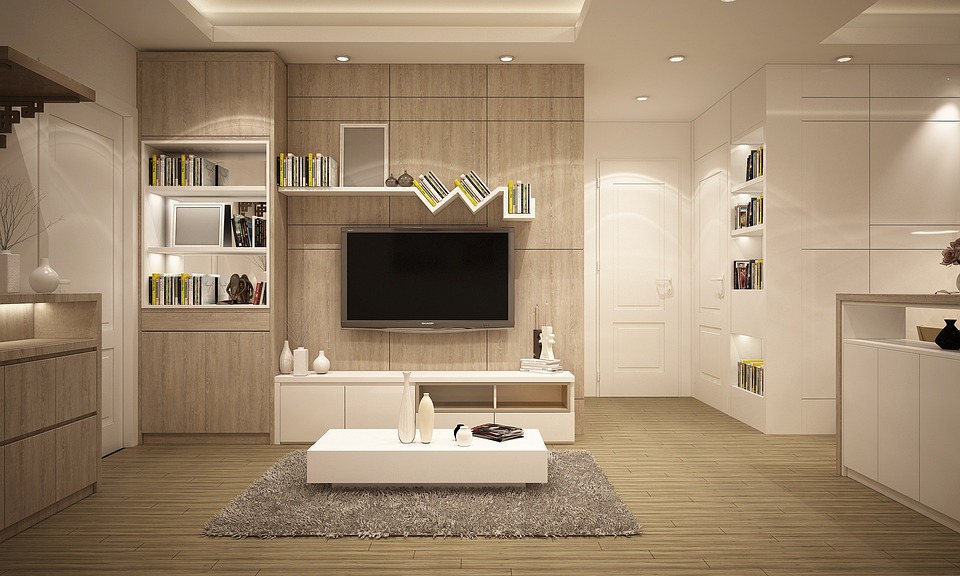
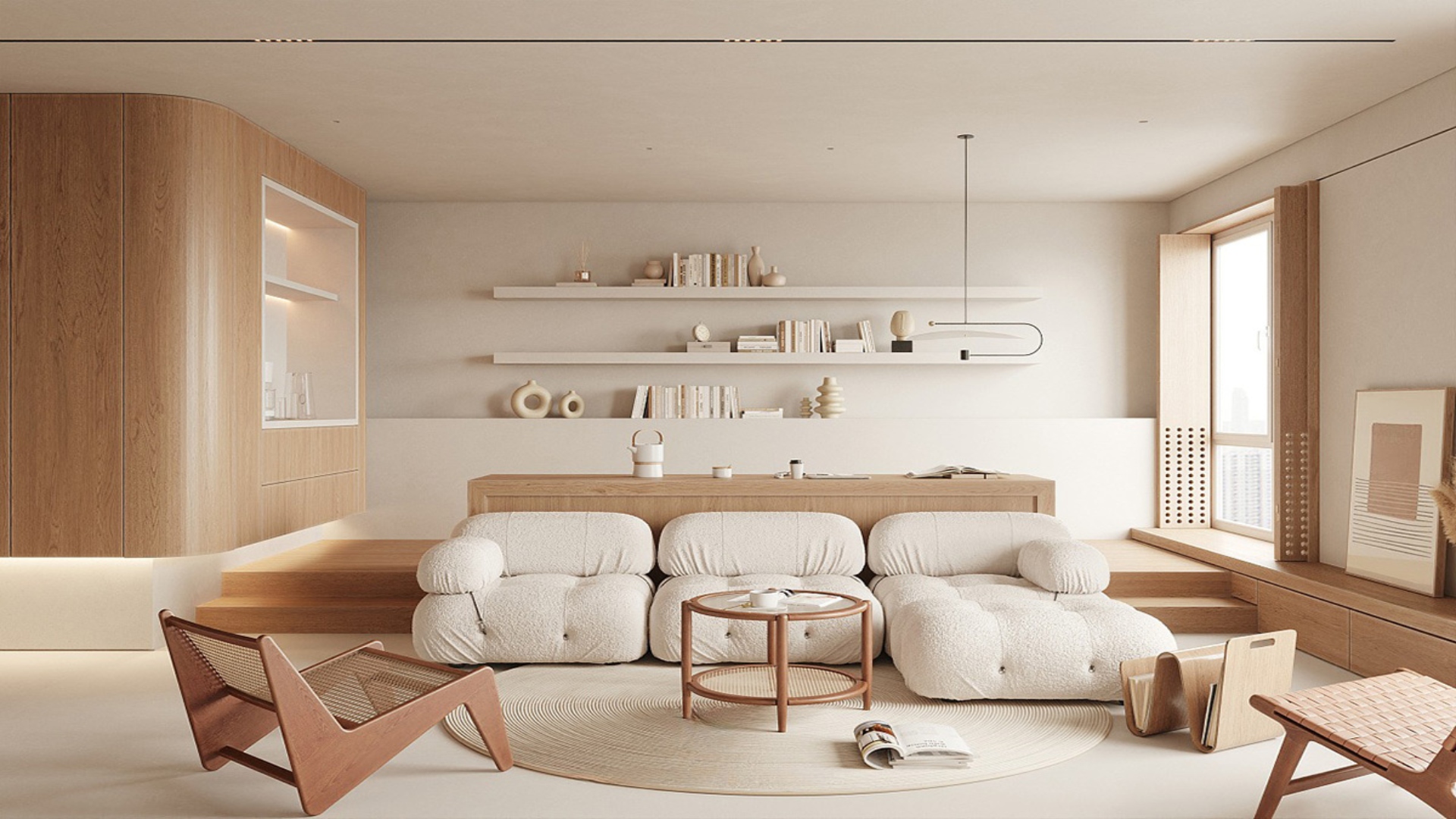
In a world often characterized by excess, there is a growing appreciation for the beauty found in simplicity. Interior minimalist design, with its clean lines, uncluttered spaces, and emphasis on functionality, has become a timeless and popular choice for those seeking a tranquil and sophisticated living environment.
Embracing Simplicity
At its core, interior minimalist design is about paring down to the essentials. It’s a philosophy that values simplicity, functionality, and a sense of calm. Spaces designed with a minimalist approach are characterized by a lack of excess, focusing on what truly matters.
Key Elements of Minimalist Design
- Clean Lines and Simplicity:
The cornerstone of minimalist design lies in clean lines and simplicity. Furniture and architectural elements are often sleek and straightforward, devoid of unnecessary embellishments. This creates a sense of order and visual harmony.
- Neutral Color Palette:
Minimalist interiors typically feature a neutral color palette, with whites, grays, and earth tones dominating the scene. This choice of colors not only enhances the feeling of spaciousness but also contributes to a serene atmosphere.
- Functional Furniture:
Furniture in minimalist design serves a purpose beyond aesthetics. Each piece is carefully selected for its functionality and often incorporates hidden storage solutions to maintain the uncluttered look of the space.
- Decluttered Spaces:
One of the fundamental principles of minimalism is the elimination of unnecessary items. This leads to decluttered spaces that allow the eye to rest and the mind to relax. Every item in a minimalist interior has a specific purpose.
- 5. Natural Light and Open Spaces:
Maximizing natural light is crucial in minimalist design. Open spaces and large windows create an airy and inviting atmosphere. This emphasis on light also contributes to the overall feeling of spaciousness.
The Impact on Well-being
The minimalist approach to interior design goes beyond aesthetics; it has a profound impact on the well-being of those inhabiting the space. By removing excess and focusing on what truly matters, minimalist design fosters a sense of tranquility and mindfulness.
- Reduced Stress:
A cluttered environment can contribute to feelings of stress and anxiety. Minimalist design promotes a sense of order and simplicity, reducing visual noise and creating a calming environment.
- Enhanced Focus:
With fewer distractions, minimalist spaces allow occupants to focus on the present moment. This can be especially beneficial in areas designated for work or relaxation.
- Improved Mood:
The visual appeal of minimalist design, coupled with the sense of openness and light, has a positive impact on mood. It creates an atmosphere of serenity that promotes emotional well-being.
Achieving Minimalist Design in Your Space
- Evaluate and Simplify:
Begin by evaluating your current space. Identify items that are unnecessary or do not contribute to the overall functionality and aesthetics. Simplify by keeping only what adds value.
- Choose Quality Over Quantity:
When selecting furniture and decor, prioritize quality over quantity. Opt for well-designed, timeless pieces that serve a purpose and withstand the test of time.
- Mindful Color Choices:
Embrace a neutral color palette with occasional accent hues to add visual interest. Whites, grays, and earthy tones create a serene backdrop, while a pop of color can serve as a focal point.
- Maximize Natural Light:
Where possible, enhance natural light. Use light-colored window treatments and strategically place mirrors to amplify the sense of openness.
- Create Zones of Tranquility:
Designate specific areas for different activities, ensuring each space serves its purpose without unnecessary distractions. This approach promotes organization and functionality.
Interior minimalist design is not just a trend; it’s a lifestyle choice that celebrates the elegance found in simplicity. By embracing clean lines, neutral palettes, and functional elements, minimalist interiors create spaces that not only look beautiful but also contribute to the well-being of those who inhabit them. Whether you are looking to revamp your living space or create a serene work environment, the principles of minimalist design offer a timeless and harmonious approach to modern living.