
Unveiling the Art and Science of Irrigation Systems
In the realm of landscaping and garden care, irrigation systems play a pivotal role in ensuring that plants receive the right amount of water at the right time. This comprehensive guide explores the various types, benefits, and best practices associated with irrigation systems, empowering homeowners and garden enthusiasts to cultivate thriving and lush landscapes.
The Foundation of Healthy Gardens: Understanding the Importance of Irrigation Systems
- Tailored Watering Solutions
Irrigation systems provide a tailored approach to watering, delivering the right amount of moisture to each area of the garden. This customization is crucial for different plant types, ensuring that everything from delicate flowers to robust shrubs receives optimal hydration.
- Water Conservation
Efficiency in water usage is a hallmark of well-designed irrigation systems. By delivering water directly to the root zones of plants, these systems minimize water wastage, promoting sustainability and responsible environmental stewardship.
- Time and Effort Savings
Automated irrigation systems save homeowners significant time and effort compared to manual watering. With programmable schedules and features like rain sensors, these systems take the guesswork out of maintaining optimal soil moisture levels.
- Healthy Soil and Plants
Consistent and controlled watering provided by irrigation systems contribute to healthier soil and plants. By preventing under-watering or over-watering, these systems help avoid stress on plants, promoting robust root systems and vibrant foliage.
Types of Irrigation Systems
- Drip Irrigation
Drip irrigation involves the slow, precise application of water directly to the base of plants through a network of tubes and emitters. This method is highly efficient, minimizing water runoff and evaporation.
- Sprinkler Systems
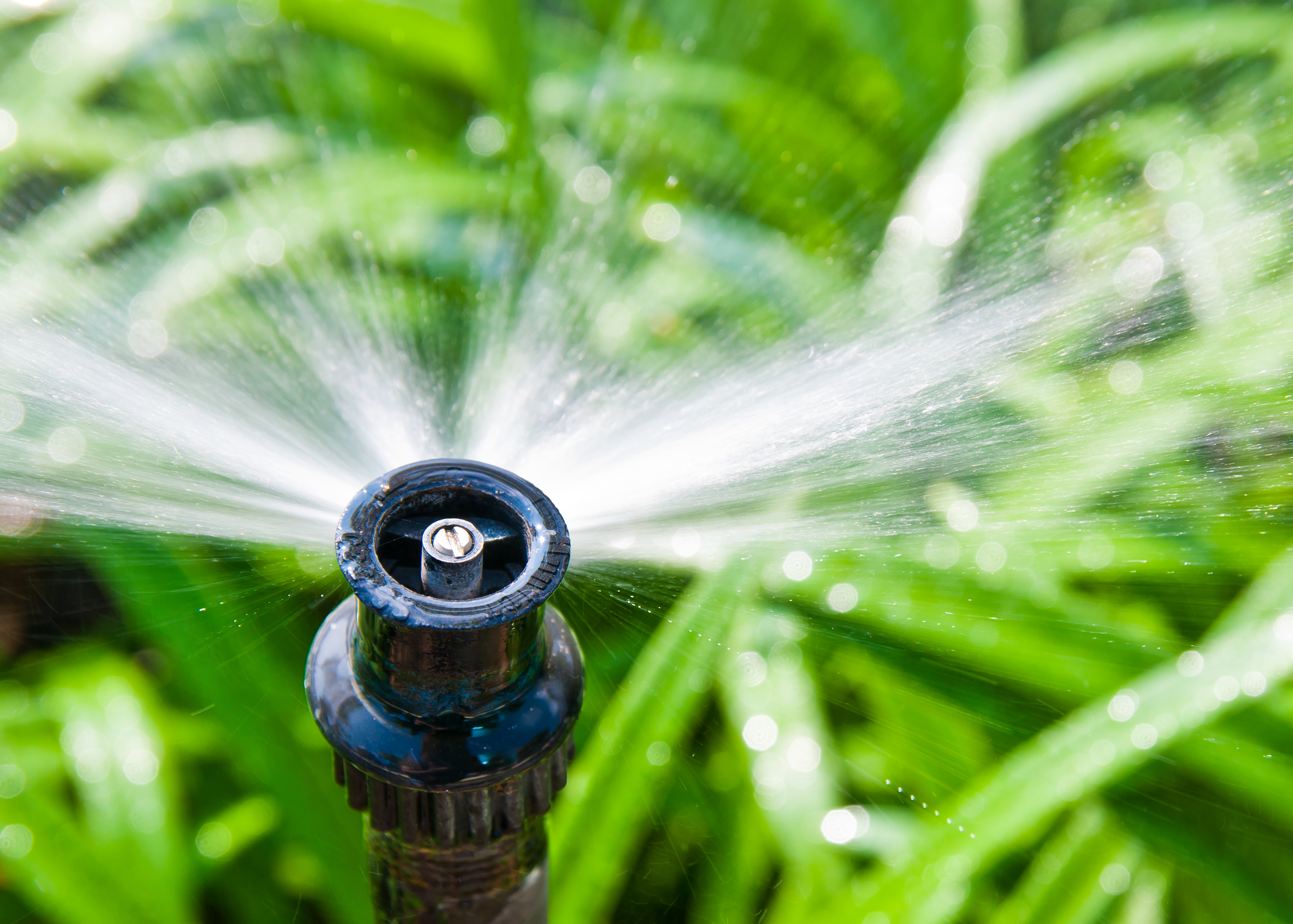
Sprinkler systems are versatile and suitable for both lawns and gardens. They distribute water through a network of pipes and spray heads, covering large areas efficiently. Some modern systems even allow for customization of spray patterns and intensity.
- Soaker Hoses
Soaker hoses are porous hoses that release water along their length, providing a slow and consistent watering method. These hoses are ideal for flower beds, vegetable gardens, and areas with plants that benefit from thorough but gentle hydration.
- Smart Irrigation Controllers
Smart irrigation controllers bring technology into the watering routine. These controllers can be programmed and monitored through mobile apps, allowing users to adjust watering schedules based on weather conditions, soil moisture levels, and plant types.
Best Practices for Efficient Irrigation
- Understand Plant Watering Needs
Different plants have varying water requirements. Understanding the specific needs of each plant in your garden helps optimize the irrigation system for efficient and targeted watering.
- Install Rain Sensors
Rain sensors are valuable additions to irrigation systems. They detect rainfall and automatically shut off the system when natural precipitation provides sufficient water, preventing over-watering and conserving resources.
- Regular Maintenance Checks
Regular maintenance checks are essential to ensure the proper functioning of irrigation systems. Inspecting for leaks, clogs, and damaged components helps maintain system efficiency and longevity.
- Consider Soil Type and Slope
The soil type and slope of your landscape impact water absorption. Tailoring your irrigation system to these factors ensures that water reaches plant roots effectively, avoiding issues like water runoff and uneven distribution.
Mastering Water Efficiency: A Guide to Choosing and Using Home Irrigation Systems
In conclusion, the world of irrigation systems is vast and nuanced, offering a range of options to suit the diverse needs of gardens and landscapes. Whether you opt for the precision of drip irrigation, the versatility of sprinkler systems, or the convenience of smart controllers, the key is to tailor your approach to the unique requirements of your plants and environment. By embracing efficient watering practices, homeowners can not only cultivate thriving landscapes but also contribute to the responsible use of water resources.

