
How to Use Color and Texture to Enhance Your Home’s Interior
In this article, we will explore the power of color and texture in transforming your home’s interior into a visually stunning and inviting space. By understanding the principles of color psychology and incorporating a variety of textures, you can create a harmonious and personalized environment that reflects your unique style and personality.
Understanding Color Psychology
Color has the ability to evoke emotions, influence moods, and create specific atmospheres within a room. By strategically using different colors, you can enhance the overall ambiance of your home’s interior.
1. Warm Colors: Colors such as red, orange, and yellow tend to create a sense of warmth and energy. These hues are ideal for spaces where you want to promote social interaction and liveliness, such as the living room or dining area.
2. Cool Colors: Blues, greens, and purples are known as cool colors that can create a calming and relaxing atmosphere. These shades work well in bedrooms or areas where you want to promote tranquility and serenity.
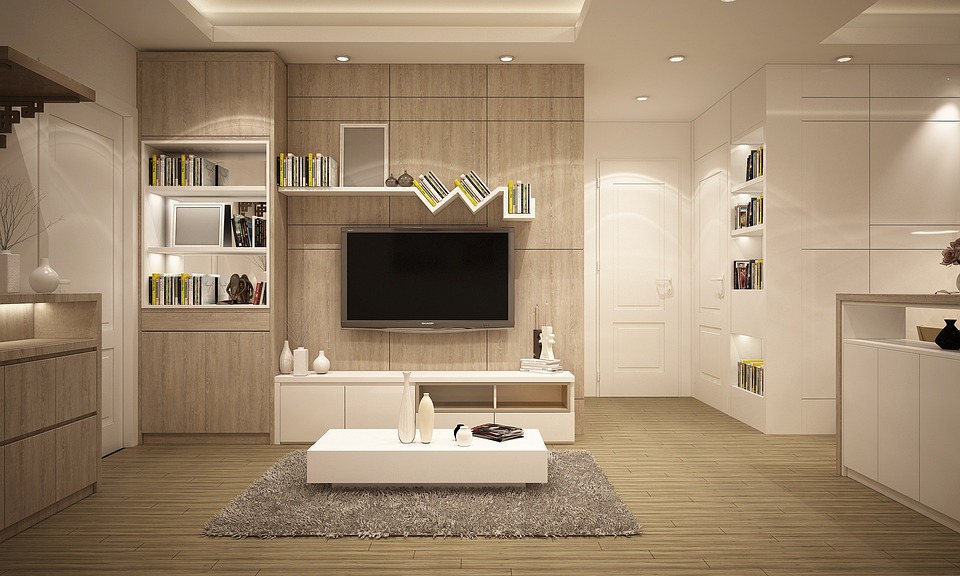
3. Neutral Colors: Neutral colors like beige, gray, and white serve as a versatile backdrop for any interior design style. They can be used to create a sense of balance and harmony, allowing other elements in the room to stand out.
Incorporating Texture
Texture plays a crucial role in adding depth and visual interest to a room. By incorporating a variety of textures, you can create a multi-dimensional space that engages the senses and adds a touch of luxury.
1. Fabrics: Experiment with different fabrics such as velvet, silk, or linen to add texture to your furniture and window treatments. Mixing and matching different fabrics can create a visually appealing contrast that elevates the overall aesthetic of the room.
2. Natural Materials: Incorporating natural materials like wood, stone, or wicker can add a rustic or organic texture to your home’s interior. Whether it’s a wooden coffee table or a stone fireplace, these elements bring a sense of warmth and authenticity to the space.
3. Wall Treatments: Consider using textured wallpapers, decorative panels, or textured paints to add dimension to your walls. These treatments can transform a plain wall into a focal point, adding character and personality to the room.
FAQs
Q: How do I choose the right color palette for my home?
A: When choosing a color palette, consider the overall mood and atmosphere you want to create. Think about the function of the room and the emotions you want to evoke. Experiment with different color combinations and seek inspiration from interior design magazines or online resources.
Q: Can I mix different textures in one room?
A: Absolutely! Mixing textures can add visual interest and create a dynamic space. However, it is important to maintain a sense of balance and harmony. Consider the scale and proportion of each texture and ensure they complement each other rather than clash.
Q: How can I incorporate color and texture in a small space?
A: In a small space, it’s important to be mindful of clutter and overcrowding. Opt for lighter colors to create an illusion of space and use texture strategically to add depth without overwhelming the room. Consider using mirrors to reflect light and create a sense of openness.
By understanding the principles of color psychology and incorporating a variety of textures, you can transform your home’s interior into a visually captivating and harmonious space. Experiment with different color palettes and textures, and don’t be afraid to get creative!
For more inspiration and tips on how to enhance your home’s interior, check out this article on How to Use Color and Texture to Enhance Your Home’s Interior.