
Navigating the World of Irrigation Systems
Unveiling the Beauty of Irrigation Systems: An Introduction
In the pursuit of a vibrant and thriving landscape, an efficient and well-designed irrigation system plays a crucial role. Whether you’re cultivating a lush garden, maintaining a green lawn, or nurturing crops on a larger scale, understanding the ins and outs of irrigation is key to achieving optimal growth and water conservation. Let’s delve into the comprehensive guide on irrigation systems, exploring the types, benefits, and best practices for cultivating a landscape that flourishes.
- The Essence of Irrigation Systems
Irrigation systems are engineered solutions designed to deliver water to plants or crops, mimicking the natural patterns of rainfall. These systems provide a controlled and efficient method of watering, ensuring that plants receive the right amount of moisture for healthy growth.
Types of Irrigation Systems
- Drip Irrigation
Drip irrigation is a method where water is delivered directly to the base of plants through a network of tubes, pipes, and emitters. This precise delivery minimizes water wastage, reduces weed growth, and prevents diseases by keeping foliage dry. Drip irrigation is ideal for gardens, flower beds, and rows of crops.
- Sprinkler Systems
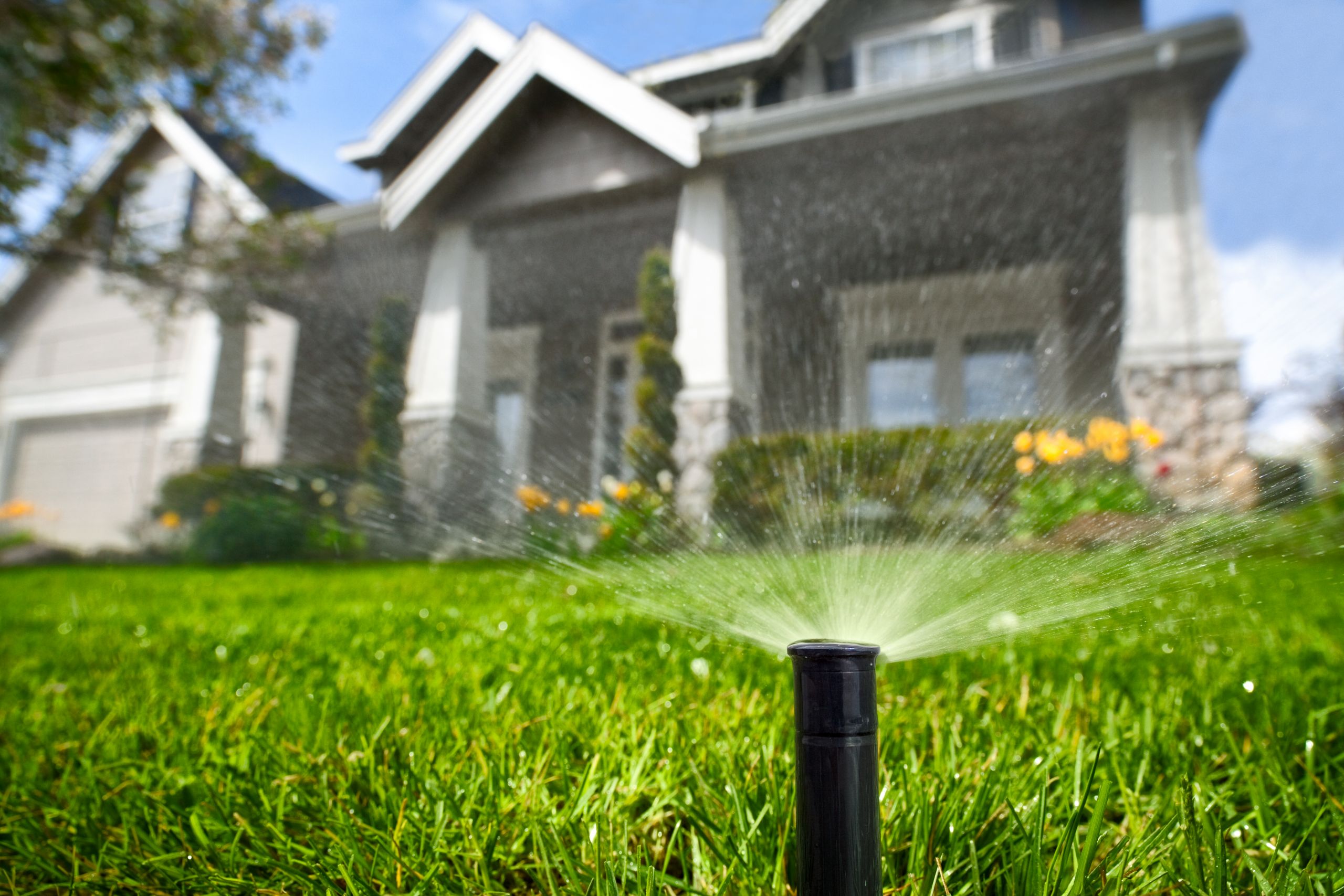
Sprinkler systems distribute water over the landscape in the form of droplets, simulating natural rainfall. These systems can be stationary or rotating, covering large areas efficiently. Sprinklers are versatile and suitable for lawns, large gardens, and agricultural fields.
- Soaker Hoses
Soaker hoses are porous hoses that allow water to seep out slowly along their length. They are laid on the soil surface or buried under mulch, providing a gradual and uniform watering to the surrounding plants. Soaker hoses are beneficial for flower beds, vegetable gardens, and shrubbery.
- Surface Irrigation
Surface irrigation involves flooding or furrowing the soil surface to allow water to flow over or through the planted area. This traditional method is often used in agriculture for crops like rice and wheat. While it’s not as precise as other methods, it can be effective for large-scale cultivation.
Efficient Watering for Greener Gardens: A Guide to Drip Irrigation Systems
For homeowners aiming to achieve a lush and water-efficient garden, understanding the benefits and implementation of drip irrigation systems is crucial. Explore the principles and practices for harnessing the efficiency of drip irrigation in your green spaces.
Advantages of Irrigation Systems
- Water Conservation
Irrigation systems contribute to water conservation by delivering water directly to the root zones of plants, minimizing evaporation and runoff. This targeted approach ensures that each drop is utilized efficiently, reducing overall water consumption.
- Time Efficiency
Automated irrigation systems save time for homeowners and farmers alike. With programmable timers and controllers, users can set specific watering schedules, ensuring consistent and timely irrigation without the need for manual intervention.
- Improved Plant Health
Proper irrigation promotes healthier plants by providing a consistent and controlled supply of water. Well-hydrated plants are more resistant to diseases, pests, and environmental stressors, resulting in a more resilient and vibrant landscape.
- Enhanced Growth and Yield
In agricultural settings, efficient irrigation contributes to improved crop growth and higher yields. Consistent moisture levels support optimal photosynthesis and nutrient absorption, fostering robust plant development and maximizing agricultural productivity.
Designing an Effective Irrigation System
- Site Analysis
Begin by conducting a thorough analysis of the landscape, considering factors such as soil type, slope, plant types, and sun exposure. This information helps determine the irrigation system that best suits the specific needs of the area.
- Water Source and Quality
Identify the water source for your irrigation system and assess its quality. Factors such as water hardness, salinity, and potential contaminants can influence the choice of irrigation method and equipment.
- Zoning
Divide the landscape into zones based on factors like plant types, sun exposure, and water requirements. This allows for customized irrigation schedules and ensures that each area receives the appropriate amount of water.
- Selecting the Right Components
Choose the appropriate components for your irrigation system, including pipes, valves, controllers, and emitters. Consider factors such as water pressure, flow rate, and the type of plants being irrigated to make informed selections.
Sustainable Agriculture: Optimizing Crop Growth with Modern Irrigation Practices
For farmers and agricultural enthusiasts committed to sustainable practices, optimizing crop growth through modern irrigation methods is a crucial aspect. Explore the integration of advanced irrigation practices in agriculture for sustainable and efficient cultivation.
Maintenance and Best Practices
- Regular Inspections
Perform routine inspections of the irrigation system to check for leaks, clogs, or damaged components. Early detection and prompt repairs prevent water wastage and maintain system efficiency.
- Seasonal Adjustments
Adjust the irrigation schedule and duration based on seasonal variations in temperature, rainfall, and plant water requirements. This ensures that plants receive adequate moisture without overwatering.
- Watering in the Morning
Watering in the morning is generally recommended as it allows plants to absorb moisture before the heat of the day. This reduces the risk of diseases, minimizes evaporation, and maximizes water uptake.
- Mulching
Applying mulch around plants helps retain soil moisture, suppress weeds, and regulate soil temperature. Mulching is a complementary practice that enhances the effectiveness of irrigation, especially in gardens and flower beds.
Conclusion: Nurturing Growth with Intelligent Irrigation
In conclusion, mastering the world of irrigation systems is a journey towards cultivating landscapes that flourish with vitality and sustainability. Whether you’re a homeowner looking to create a green oasis or a farmer aiming for optimal crop yield, understanding the types, benefits, and best practices of irrigation is essential. By harnessing the power of efficient watering, you can contribute to the health of your plants, conserve water resources, and create a landscape that thrives for years to come.

