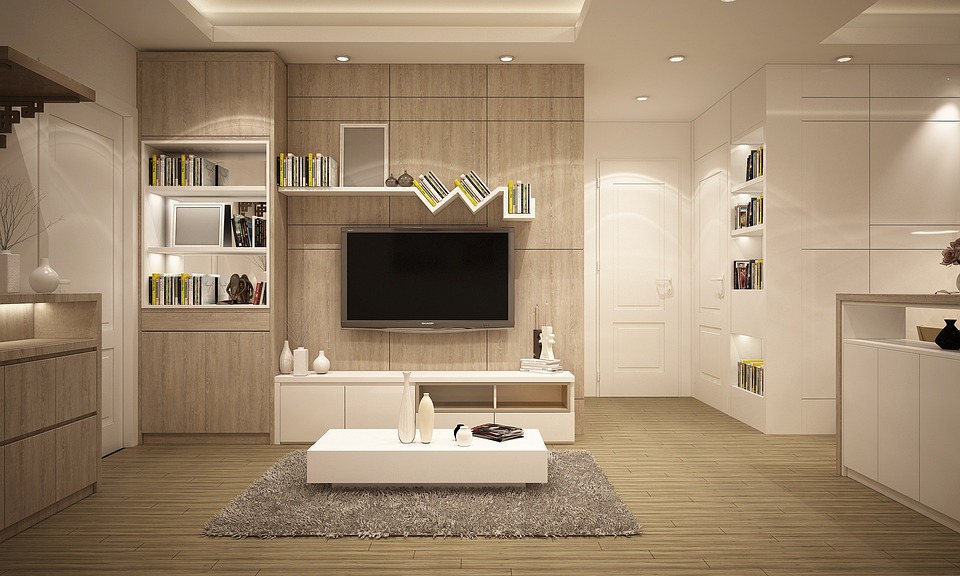

The Essentials of Interior Design: What You Need to Know
When it comes to interior design, there are certain key elements that can make or break a space. Whether you’re revamping your home or working on a commercial project, understanding these essentials is crucial for creating a cohesive and visually appealing environment.
Key Elements of Interior Design
1. Color Palette: The colors you choose for a space can have a significant impact on the overall mood and feel. Understanding color theory and how different hues work together is essential for creating a harmonious design.
2. Furniture Placement: The way you arrange furniture in a room can make a big difference in how the space functions. Proper furniture placement can help improve flow, maximize space, and create a balanced layout.
3. Lighting: Lighting is a key factor in interior design, as it can affect the ambiance and functionality of a space. Understanding the different types of lighting, such as ambient, task, and accent lighting, can help you create the right atmosphere.
4. Texture: Incorporating a variety of textures, such as smooth, rough, soft, and hard, can add depth and visual interest to a room. Mixing textures can create a dynamic and inviting space.
5. Accessories: The finishing touches, such as artwork, rugs, pillows, and other accessories, can tie a room together and add personality. Choosing the right accessories can help enhance the overall design.
FAQs
Q: What is the importance of interior design?
A: Interior design plays a crucial role in creating functional and aesthetically pleasing spaces. It can enhance the quality of life, improve productivity, and make a lasting impression.
Q: How can I create a cohesive design?
A: To create a cohesive design, start by establishing a color palette and sticking to it throughout the space. Incorporate elements of balance, harmony, and variety to create a visually appealing design.
Q: What are some common interior design mistakes to avoid?
A: Some common interior design mistakes to avoid include overcrowding a space, neglecting proper lighting, ignoring the scale and proportion of furniture, and failing to incorporate personal style.
For more information on interior design essentials, check out this link.